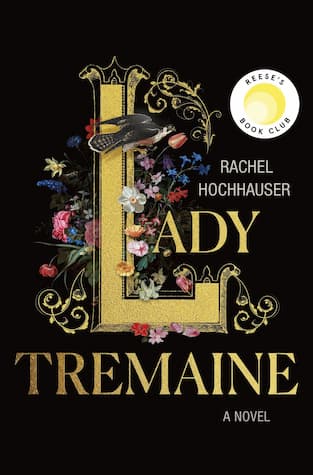
Lady Tremaine by Rachel Hochhauser
Published by St. Martin's
Publication date: March 3, 2026
Genres: Book Clubs, Debut, Fiction, Historical

Bookshop
The wicked stepmother has been a mainstay in fiction since before the Brothers Grimm became grim. No fairy tale was complete without one, but the one in Cinderella was particularly vicious and cruel. So easy to hate. Maybe too easy? Author Rachel Hochhauser decides to remedy that in her novel, Lady Tremaine. This is not a modernization of the original story, but a recasting, a shifting of the viewpoint from the illtreated stepchild to the vilified stepmother.
Neither fantastical or farcical Lady Tremaine reads more like historical fiction. Etheldreda is a middle-aged widow with two teenage daughters. Her second husband, an aristocrat, has died and left her his estate, but no money for its upkeep. Instead, what’s left of his fortune goes to his beloved daughter, Elin, as her dowry. Elin is a Disney classic beauty—hair of palest gold, eyes the blue of sky, and prone to fainting. She has no interest in the mundane details of life and spends her time quoting from her mother’s book of virtues and preparing herself for her future as an aristocratic wife. Mathilde and Rosamund, Ethel’s daughters, have also been tutored in the qualities of being a lady, but their serene countenances in society, hide the realities of cooking, cleaning, and maintaining their household without a retinue of servants. As the estate falls into disrepair and Ethel runs out of options to maintain their gentility an opportunity arises that could answer their prayers. A ball is being held because the prince needs a bride. Even better, he’s handsome, charming.
This is as far as Lady Tremaine goes in mirroring Cinderella. But even as she’s using the foundation of the traditional tale, Hochhauser is building it with the backstory of what life is like without a husband or money at a time when a woman alone was an abomination or a target. She cements the walls with the fierce love Ethel feels for her daughters and the resignation and resentment Elin evokes in her by continually rebuffing any maternal gestures she makes. What rises on the page is not the flimsy fairytale pursuit of a prince charming, but the more challenging fortress of emotions that surround motherhood, grief, and the survival instinct. This is not a simple flip-the-script scenario and Elin is wicked and conniving. She is exactly as she was raised to be in the same way that Ethel’s experiences have shaped her.
In the novel’s climatic final scenes events play out a bit too neatly, but not enough to detract from everything else that makes Lady Tremaine such captivating reading. Much of the credit is due to Hochhauser’s elegant prose. She manages to echo the formal tone of the past while sharing a story that lives very much in the present. In doing so, she transforms Cinderella into a sharp, clever (and yes, darker) new version of a well-trod classic.
If you enjoy retellings of classic fairytales you should try The Charmed Wife, another take on Cinderella.
I am an affiliate of Bookshop.org where your purchases support local bookstores. I will earn a commission (at no cost to you) if you click through and make a purchase.
*I received a free copy of this book from St. Martin’s Press in exchange for an honest review.*







Leave a Reply